A3 Photo Backdrops and Photo Boards for Product Shots
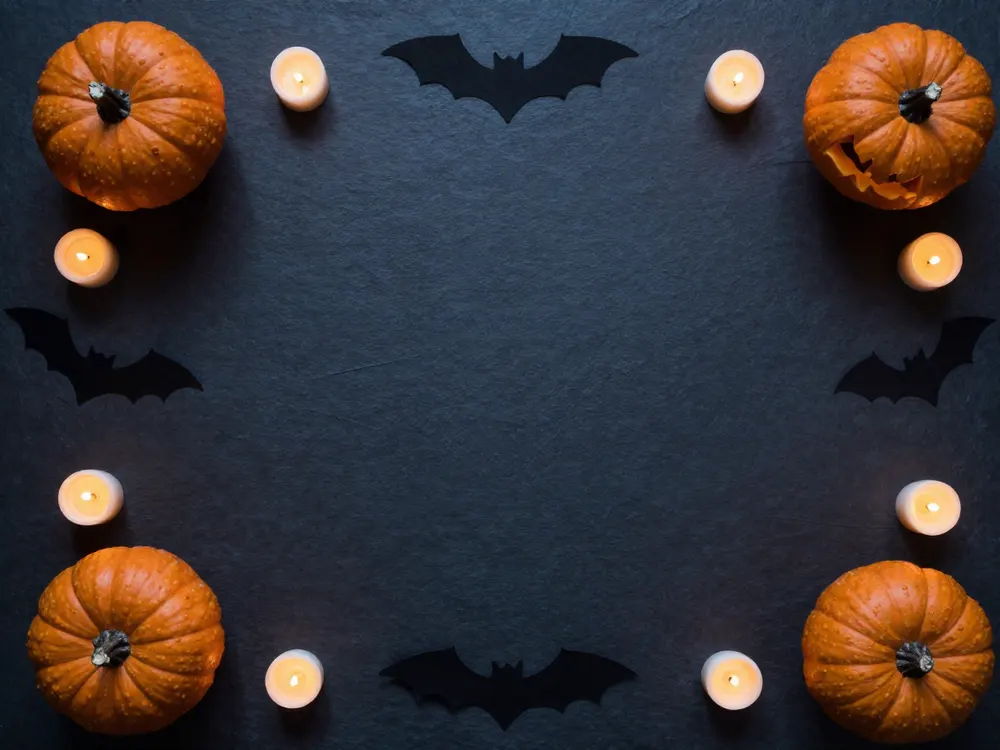
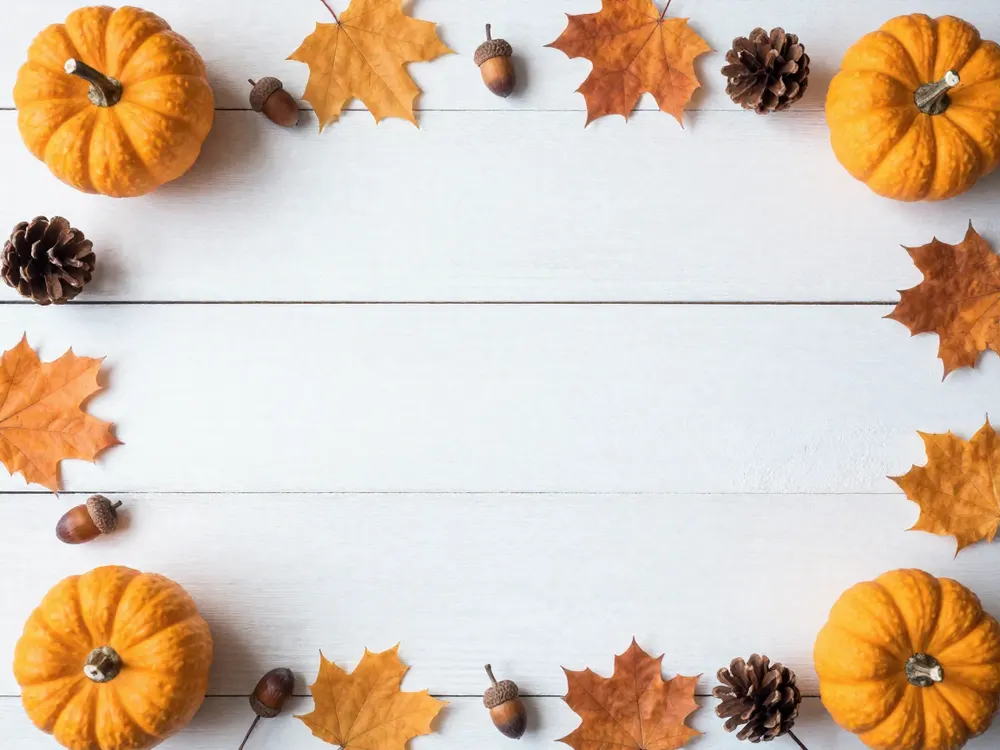 Autumn/Cosy A3 Backdrop sheet | Back drop | Photo Boards -12 different designsHalloween A3 Backdrop sheet | Back drop | Photo Boards - 26 Different DesignsWedding/Engagement Backdrop sheet | Back drop | Photo Boards - 13 Designs to choose from
A3 photo backdrops measure 297 x 420 mm, about 11.7 x 16.5 inches. That is big enough to fill the frame behind a candle, a jar of balm or a set of stickers, and small enough to keep on a shelf next to your desk. If you sell handmade goods and shoot your own pictures, this is the size most people end up using.
Why A3 works for photo backdrops
Most small product shots are taken from 30 to 60 cm away. At that distance, a sheet of A3 covers the background and the surface in front of the item without showing edges. Larger boards are awkward in a spare room, and A4 often runs out when you tilt the camera down.
One board can do two jobs. Lay it flat for a top-down shot, or curve it against a wall so the surface sweeps up behind the product with no visible join. A curved sweep hides the horizon line and keeps the focus on the item.
Weight matters too. A sheet around 300 to 350 gsm stays flat on a table. Thinner paper ripples under a warm lamp, and you will see it in the reflections.
Photo boards: materials and finishes
Photoboards usually come in a few finishes, and each behaves differently under light.
- Matte vinyl, which wipes clean and resists wax or oil drips
- Printed card, which is cheaper but marks easily
- Textured paper that imitates wood, marble or plaster
- Foam board, rigid and good for propping upright
For candles and wax melts I would pick matte vinyl every time. Glossy surfaces throw back the window and the lamp, and you spend more time editing reflections than taking pictures.
Printed wood and marble patterns look convincing at a distance. Up close, a repeating grain gives it away, so keep the lens wide enough that the pattern stays soft.
Choosing colours and patterns
Pale grey, off-white and warm cream suit nearly everything. They bounce light into the shadows and keep colour accurate, which helps when a customer expects the wax tone they saw online.
Dark boards look dramatic but need more light. If you use one, add a white card on the opposite side to lift the shadows, or the label text on your jar will sink into black.
Think about the product itself. A cream label on a cream board disappears. A green board behind a green label does the same. Pick a background that sits one or two steps away from the dominant colour.
Once your lotion bottles look good on the board, read CPSR: Cosmetic Product Safety Report Labels Explained before printing any packaging.
Backdrops for labels and stickers
Flat items like business stickers need a board with little texture, otherwise the pattern fights the print. Matte white or a light pastel shows edges and foil details clearly. Shoot slightly from above, around 30 degrees, to avoid glare on laminate.
Backdrops for candles and wax melts
A jar carrying clp labels for candles needs the hazard pictogram and the small print to stay readable in the photo. Keep the label square to the lens and use a plain board so nothing competes with it. Marketplace listings often reject images where the warning text is blurred or cut off.
A3 photo: getting a clean shot
You do not need studio gear. A window with soft daylight, a board and a sheet of white card is enough to start.
- Place the table beside a window, not in front of it.
- Set the board so it touches the wall and curves down onto the table.
- Put white card opposite the window to soften shadows.
- Shoot at the same height each time so listings look consistent.
Phone cameras handle this well. Turn on the grid, keep the product about a third of the way into the frame, and tap to lock focus on the label rather than the lid.
Consistency pays off. Five items shot on the same board in the same light look like a range. Five items on five different backgrounds look like a car boot sale.
Caring for your boards
Store them flat or rolled loosely, never folded. A crease catches light and shows in every image. Wipe vinyl with a barely damp cloth, and keep a spare sheet because wax and glitter do eventually mark the surface.
Packing shots work with the same boards. If you photograph parcels, mailers or return address labels stickers in context, a neutral board keeps the handwriting and print legible. Expect a decent A3 board to cost roughly £3 to £10 depending on material.
Frequently Asked Questions
What size is an A3 photo backdrop?
It is 297 x 420 mm. That suits single products and small groups, up to about three jars or a handful of flat items.
Are photo backdrops better in matte or gloss?
Matte, in almost every case. Gloss reflects windows and lamps, which creates hot spots that are hard to remove later.
Can I use one board for several shots?
Yes. Flip it, rotate it or change from flat to curved to get different looks. Two double-sided boards give you four backgrounds without much storage.
How do I stop a board from curling?
Choose a thicker sheet, around 300 gsm or more, and keep it away from heaters. Store it flat under a book if it has started to bend.